Kila: Hourbound
Trailer
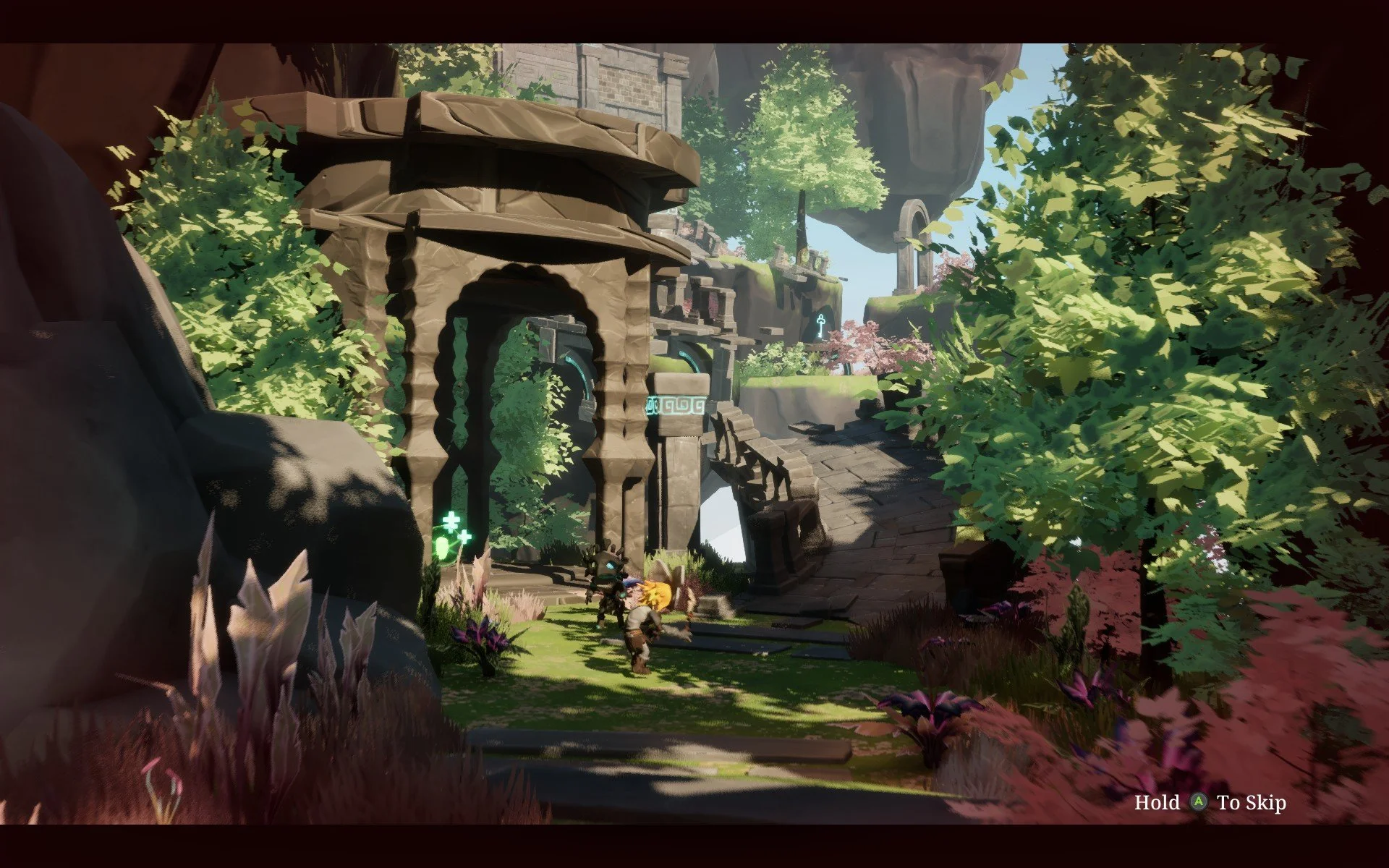
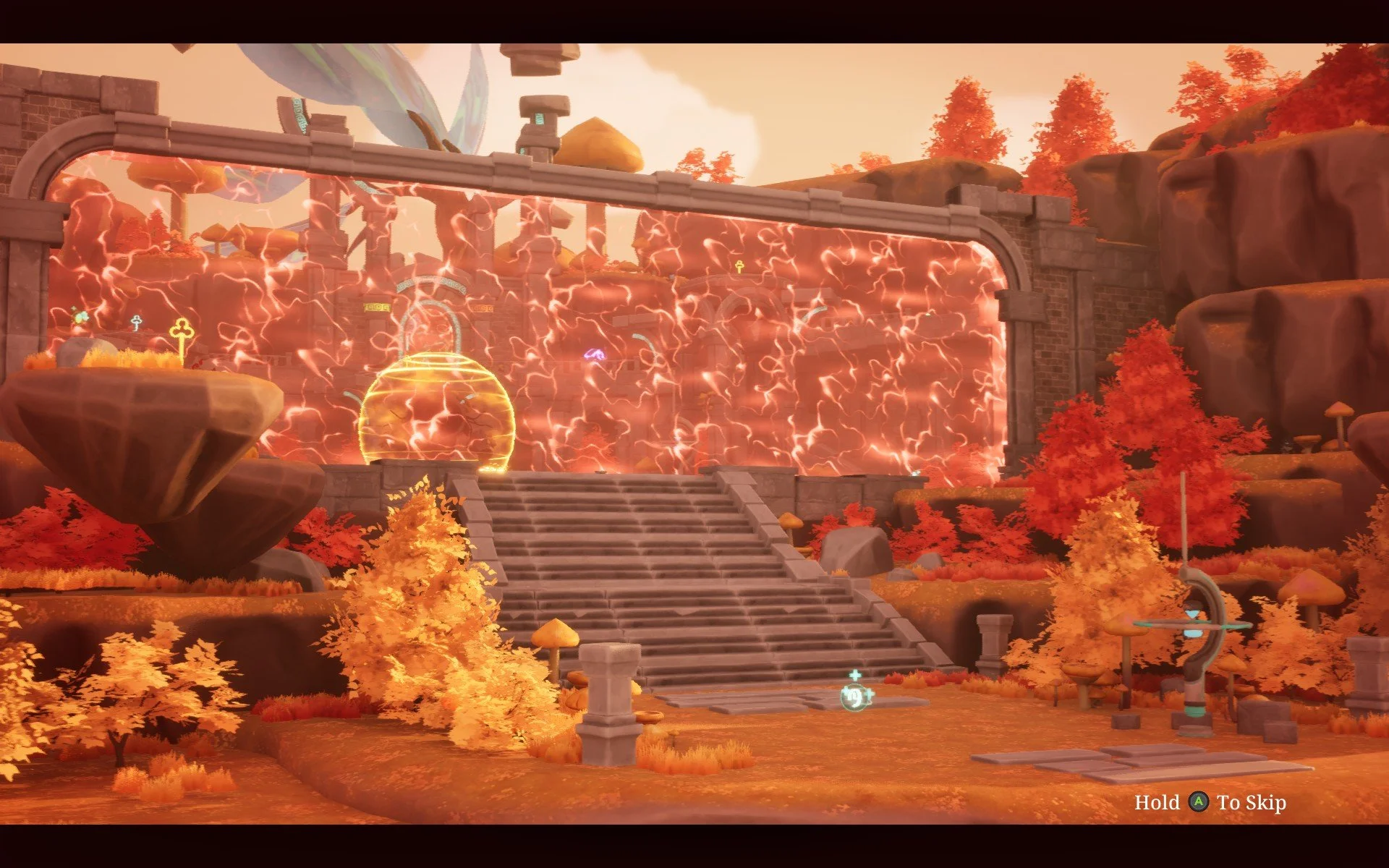
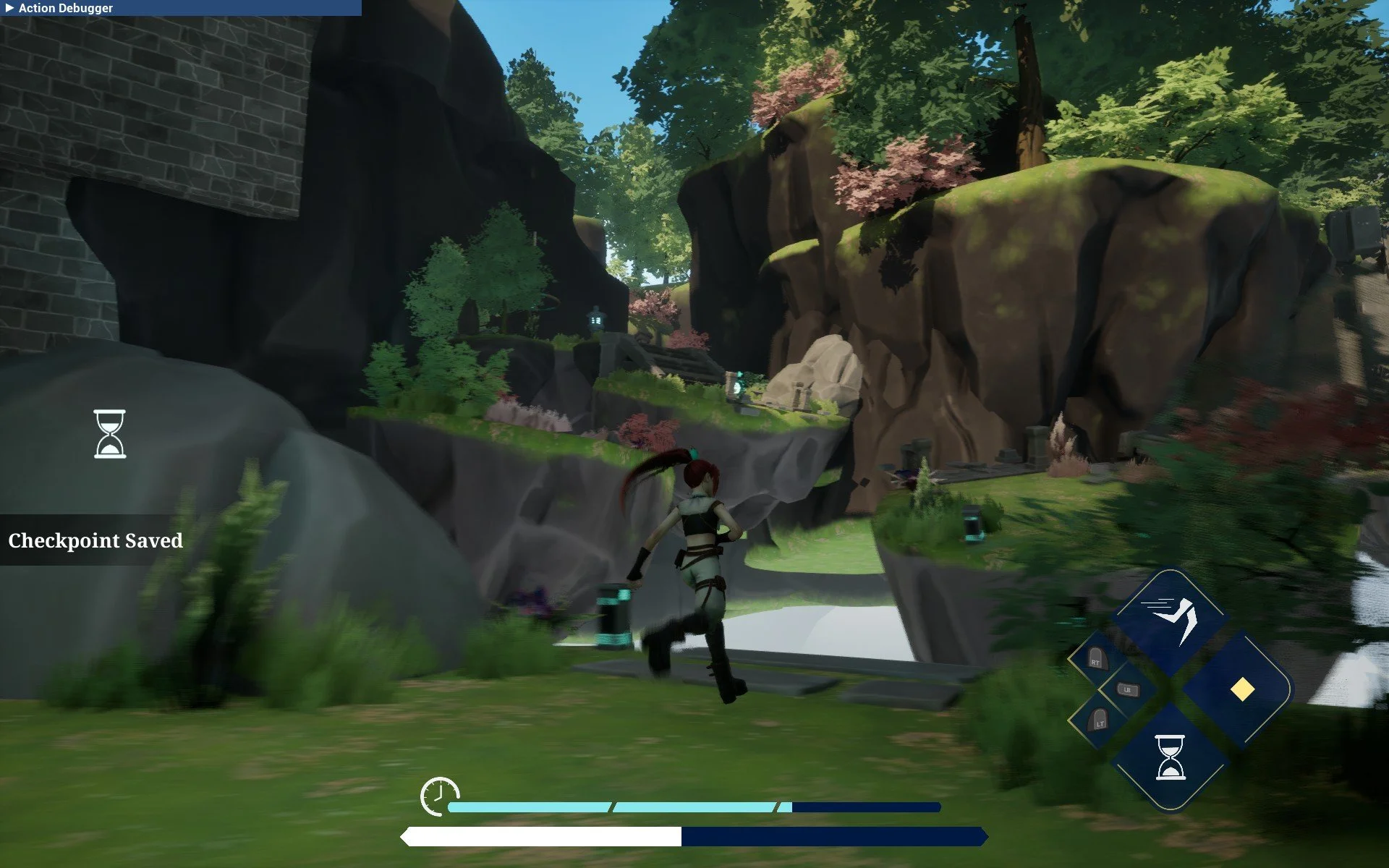
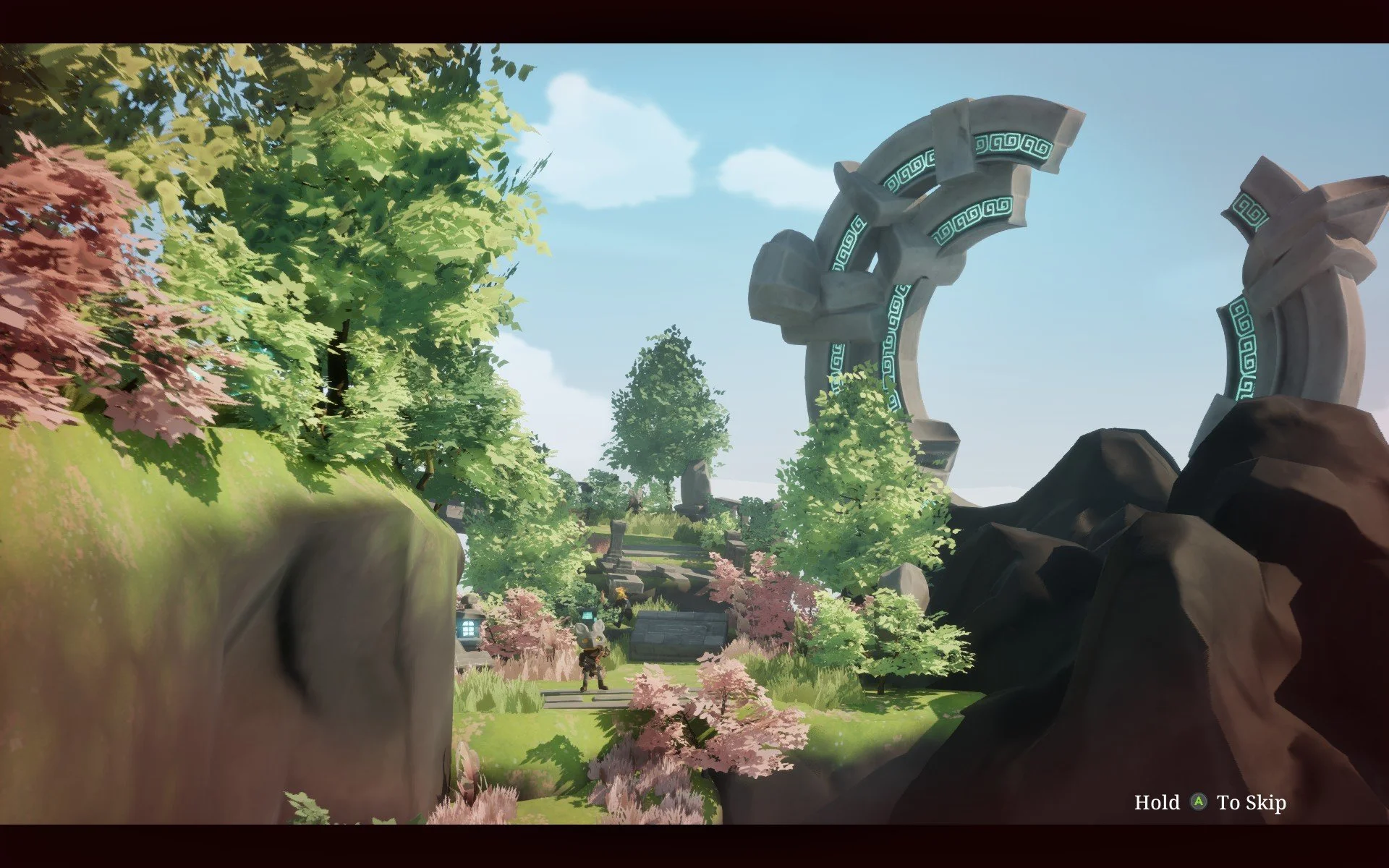
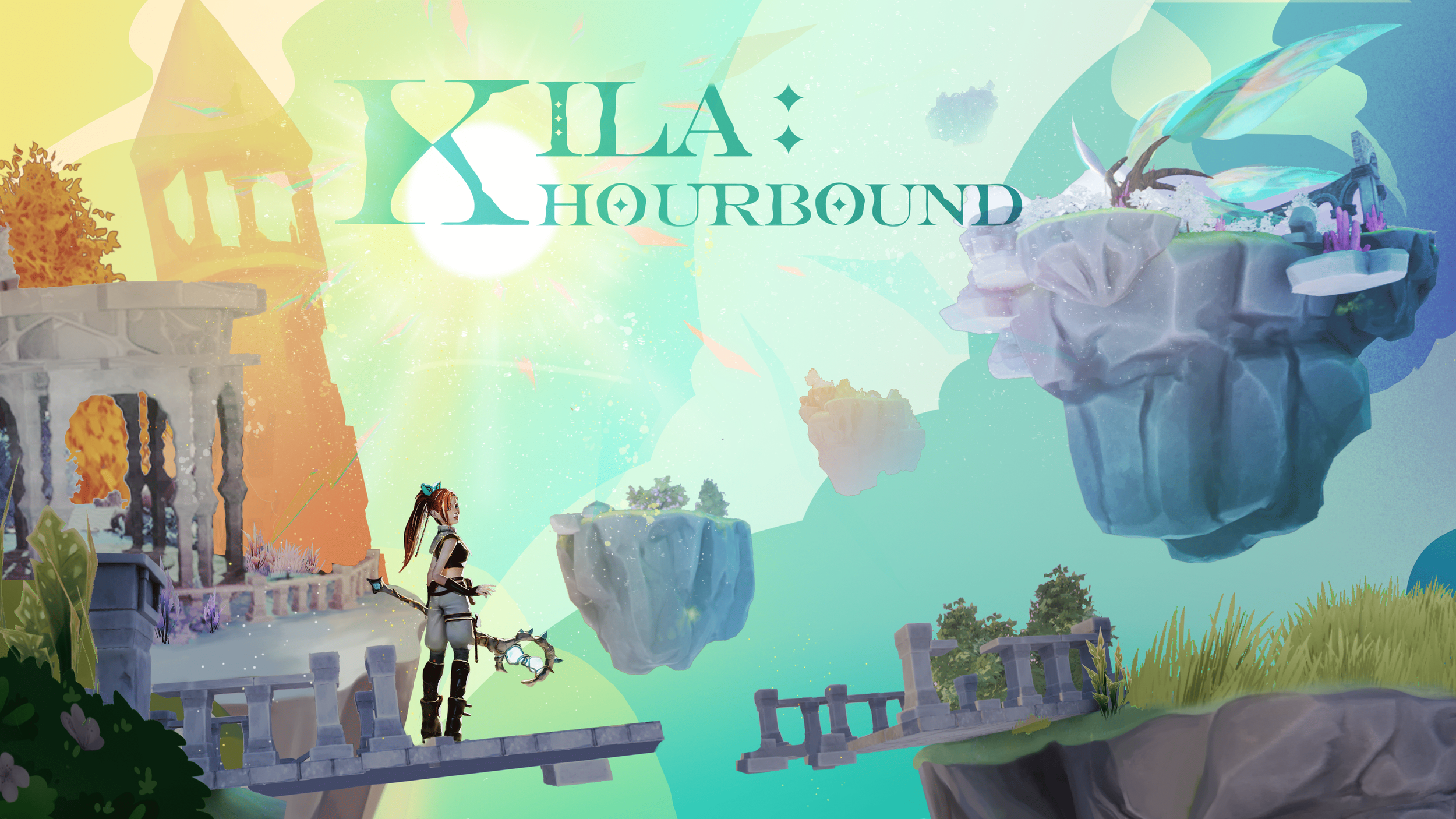
Kila: Hourbound is a 3rd Person Action-Platformer. I led a team of 8 designers to create 4 distinct combat and platforming levels.
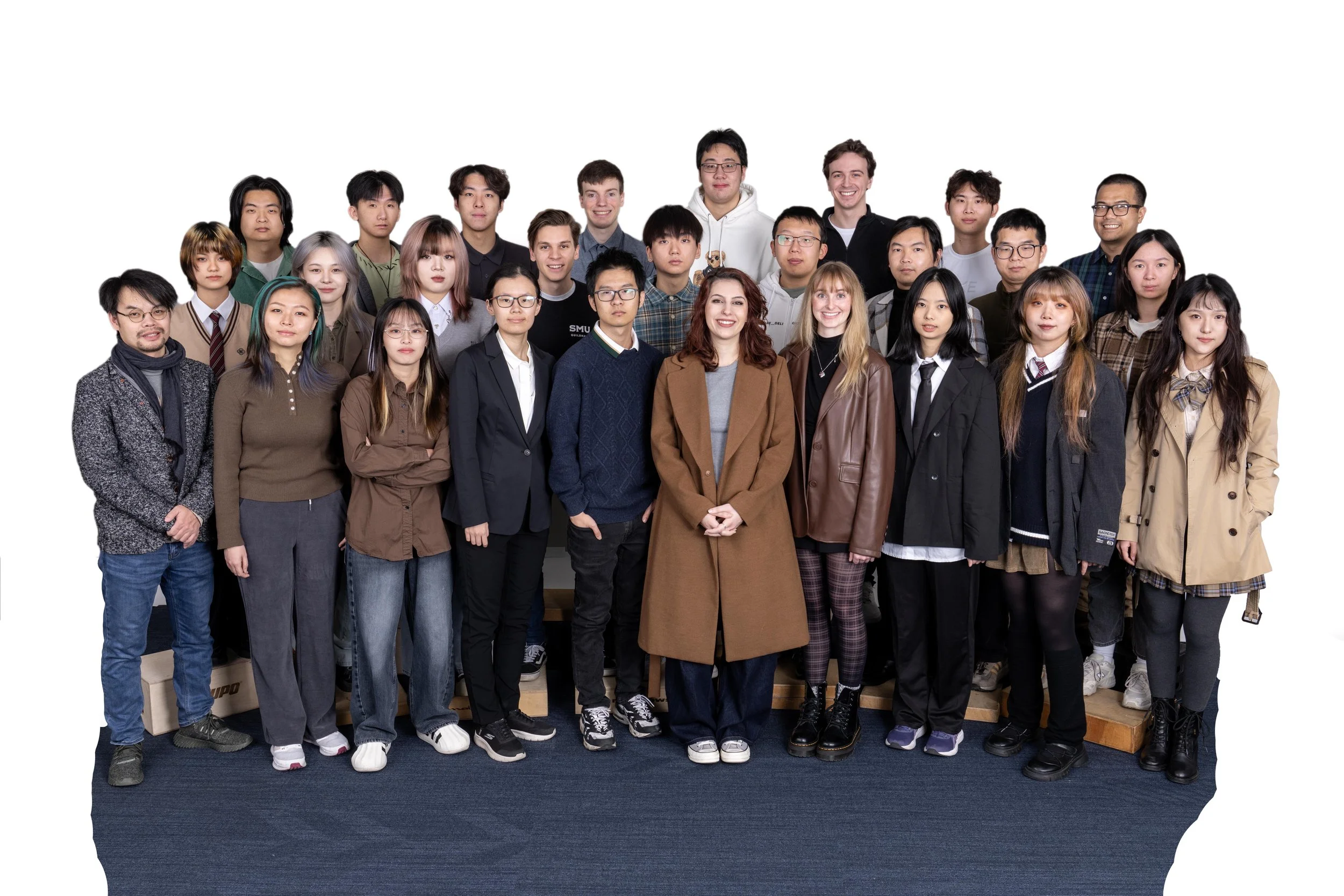
Team Size: 27 Developers
Software: Unreal Engine 5.6
Development Time: 6 Months
Role/Focus: Lead Level Designer / Narrative Designer
Coming Soon on Steam!
Details
Lead Level Design & Goals
My Roles and Responsibilities
Led a team of 8 Level Designers in prototyping, designing, and iterating on the core game pillars
Worked alongside the Game Designer to create the gameplay vision and narrative for the game
Planned and created tasks, goals, and managed scope for each milestone across the entire project
Created worldbuilding and lore for the environment and main character
Design two main paths to allow players to choose which playstyle suits them
Design an experience for speedrunning & combat-focused players
Create boss encounters that utilize the platforming skills the player learned from the level
Write concise and consistent lore for the in-game journal
Design Goals
For example, the goal for level one was to introduce the player to the time-based mechanics and the platforming sections
There are the two pathways, a Rewind puzzle the player must solve before progressing and completing the boss - all of the mechanics I want the player to experience in the first level to prepare them for the later levels
I worked closely with the Game Designer to create Kila’s inner voice based off of references and feedback
From that, I created three different voices for the main character to base her tone for the journal and in-game dialogue before deciding on one
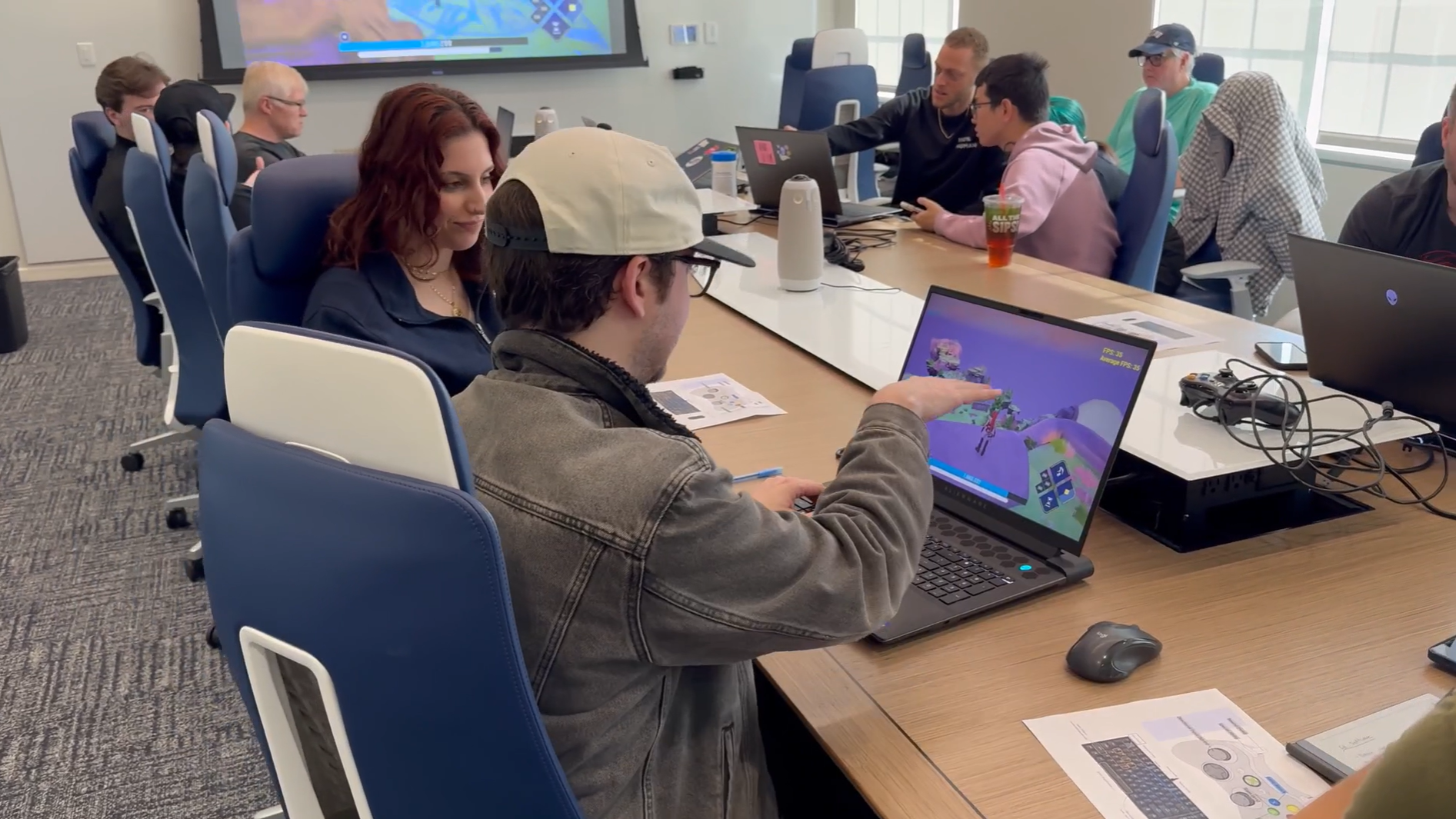
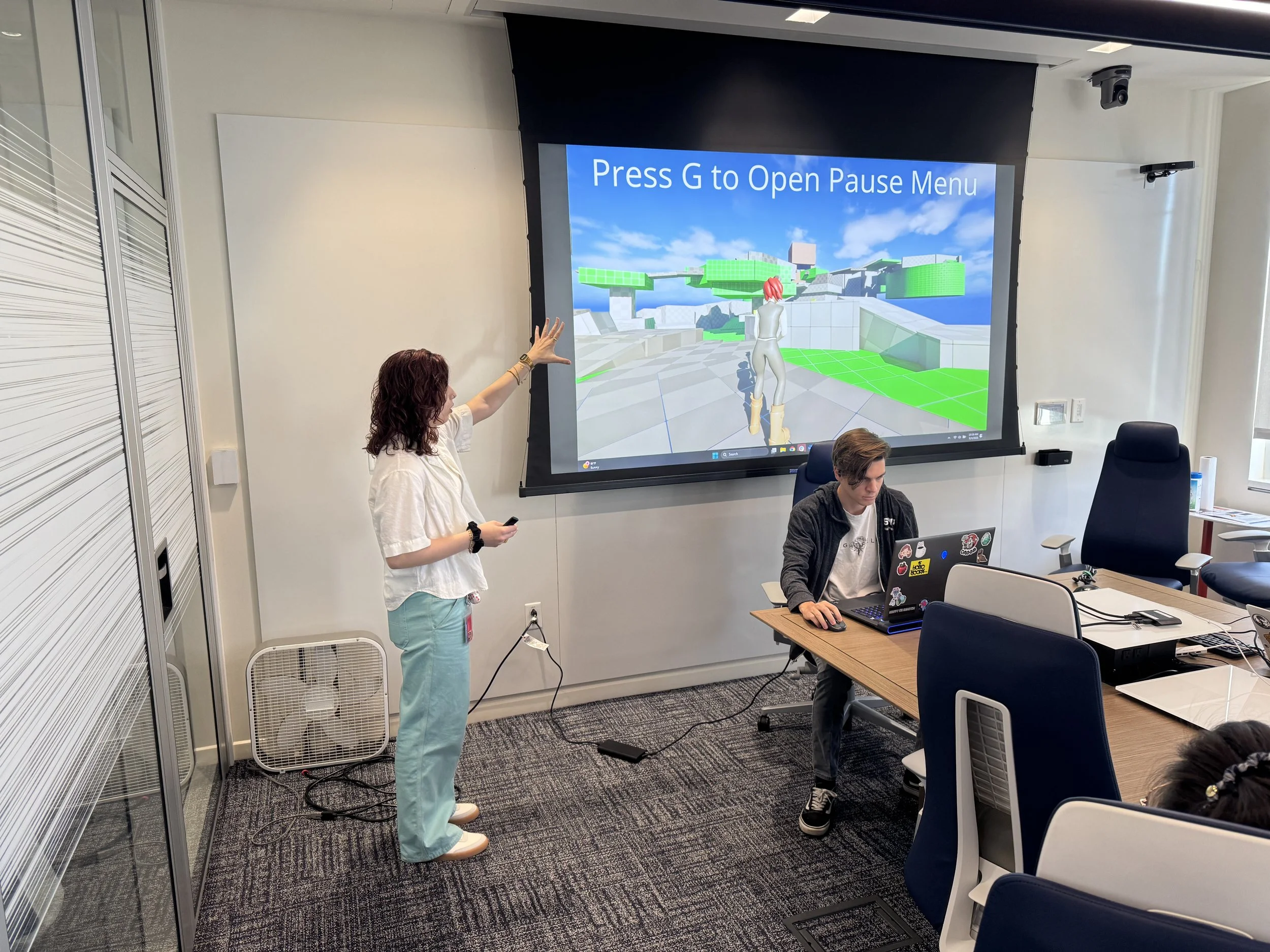
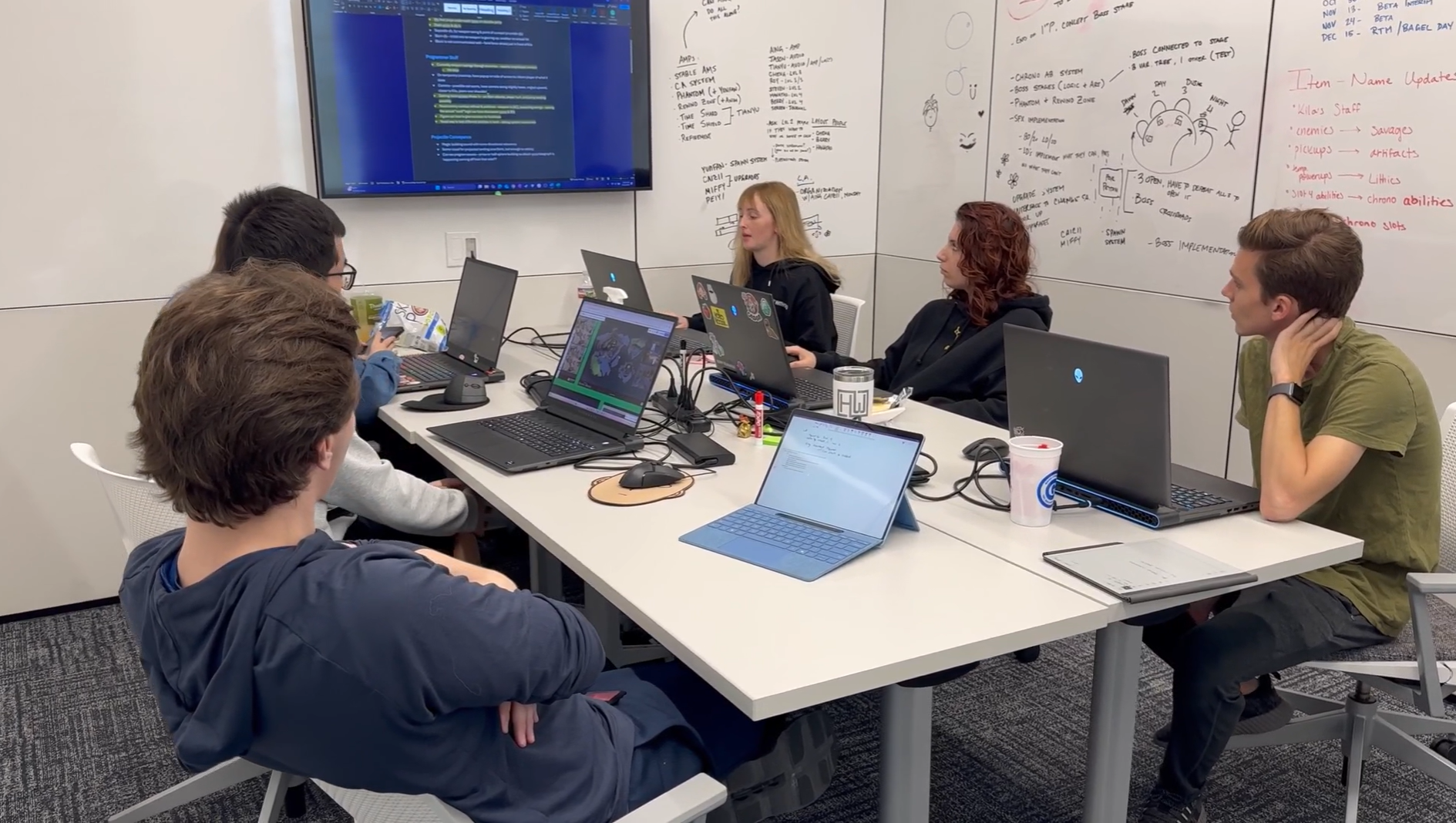
Met consistently with the design team and other disciplines to discuss progress and work through blockers
Collaborated closely with the leads of other disciplines to make game-wide decisions
We brought in industry professionals to playtest and give feedback, which turned into conversations on how to blend our vision and their expert feedback
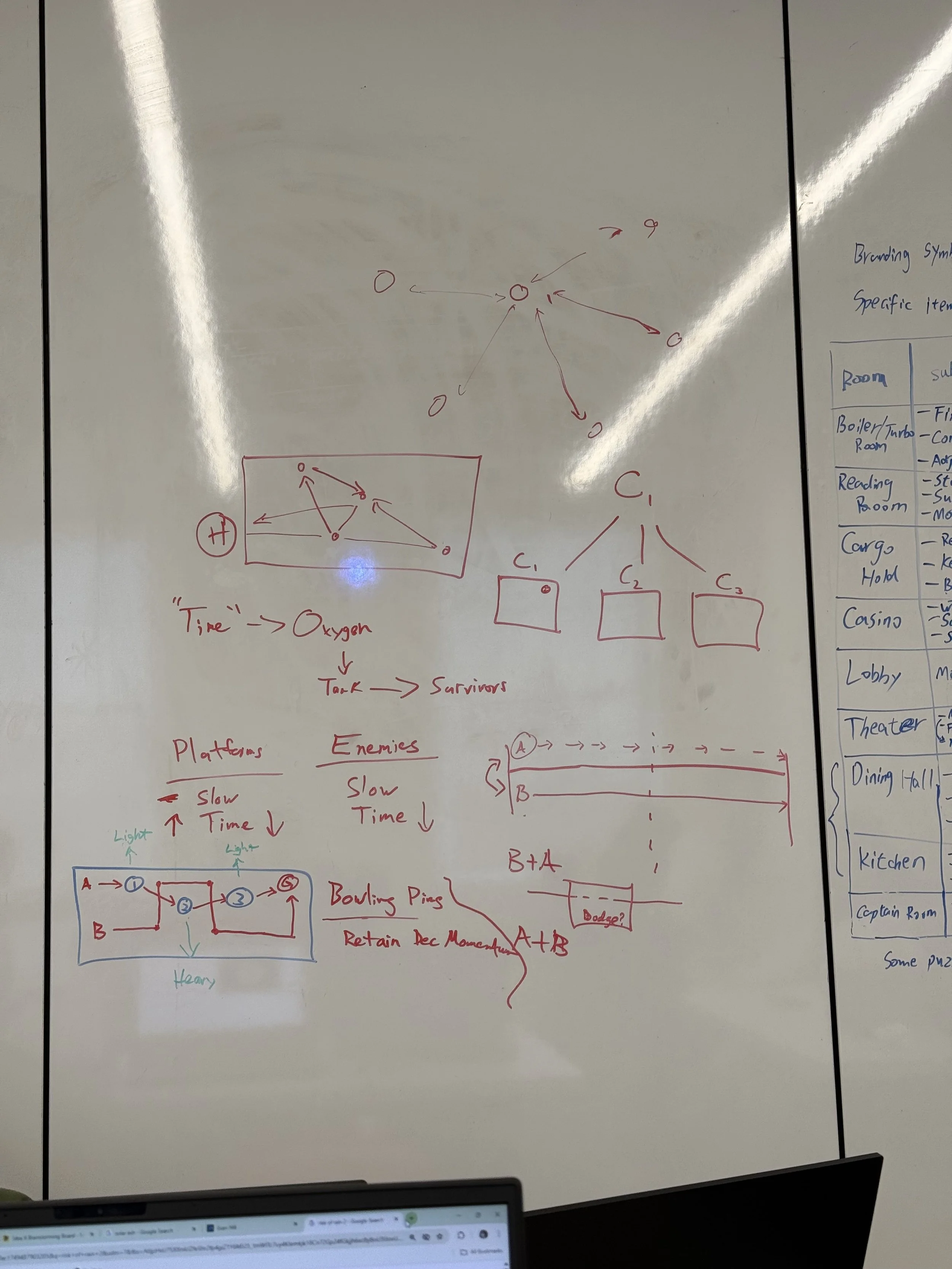
Iterating on how to keep player tension with time and enemies, without it feeling too overwhelming
Broke down design tasks into four categories and sprint planned for prototype/pre-production
Post-Mortem
What went well?
Team Bought In Early
We spent a bit of pre-production on ensuring the team expressed their ideas and felt included in the game design discussions, which led to the team buying in quickly
Strike Teams
Splitting the design team into strike teams (Level, Systems, Balancing, QA) let designers own what they worked on while also working across different disciplines and float between teams
Combat Scope
Combat was a major risk and scope concern for the entire game. We ended up with good feeling combat, but there are many parts we wished we could go deep on but could not because of our scope
Pipeline Issues
During Vertical Slice, designers had to flex to help push another discipline across the finish line and after that, the communication pipeline broke down when designers were expected to continue the same extra effort. During the next sprint planning, we brought in both sides to discuss and resolve the break in pipeline
What needs improvement?
What did I learn?
People Communicate in Different Ways
I learned very early on that my designers communicated differently than I did and I adapted to fit their communication style instead of forcing what wasn’t the best for the team
Keeping People in the Loop
I learned that people are not usually upset at the feature being cut but not knowing why or the context surrounding the cut. Keeping the team updated on potential decisions and getting their opinions keeps them engaged in their work